
Independent Living
Apartments or cottages for seniors who can manage daily life on their own. Meals, social calendars, transportation, and housekeeping are typically included — but no medical care.
A plain-English guide
Industry terms can blur together. Here's how we describe each option to families, in plain English.
Apartments or cottages for seniors who can manage daily life on their own. Meals, social calendars, transportation, and housekeeping are typically included — but no medical care.
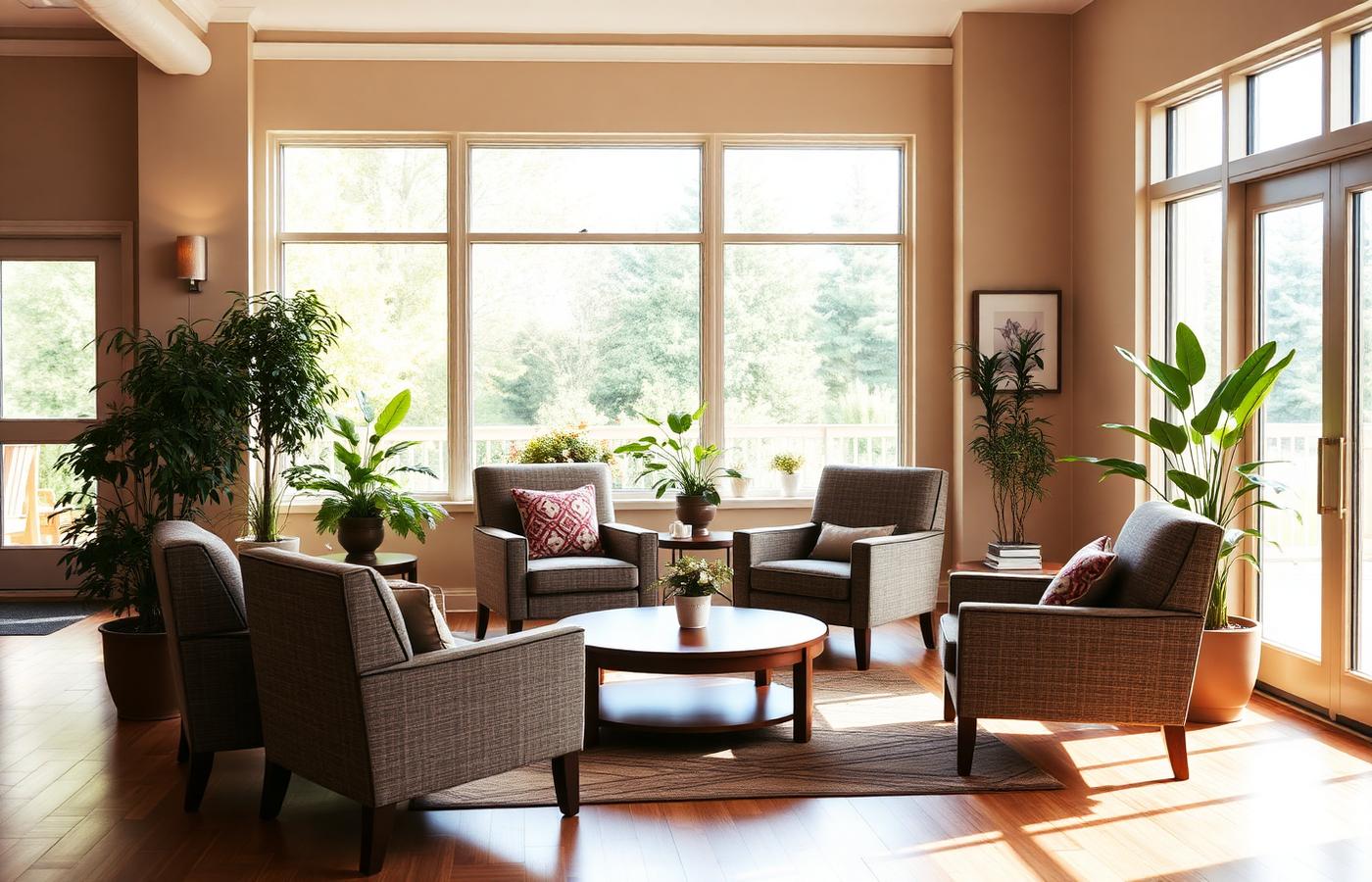
Private apartments with help available 24/7 for bathing, dressing, medication, and other daily activities. A good middle ground for someone who needs daily support but doesn't need a nurse all day.

Secure communities designed specifically for people living with Alzheimer's, dementia, or other memory conditions. Specially trained staff, calming layouts, and therapeutic activities.
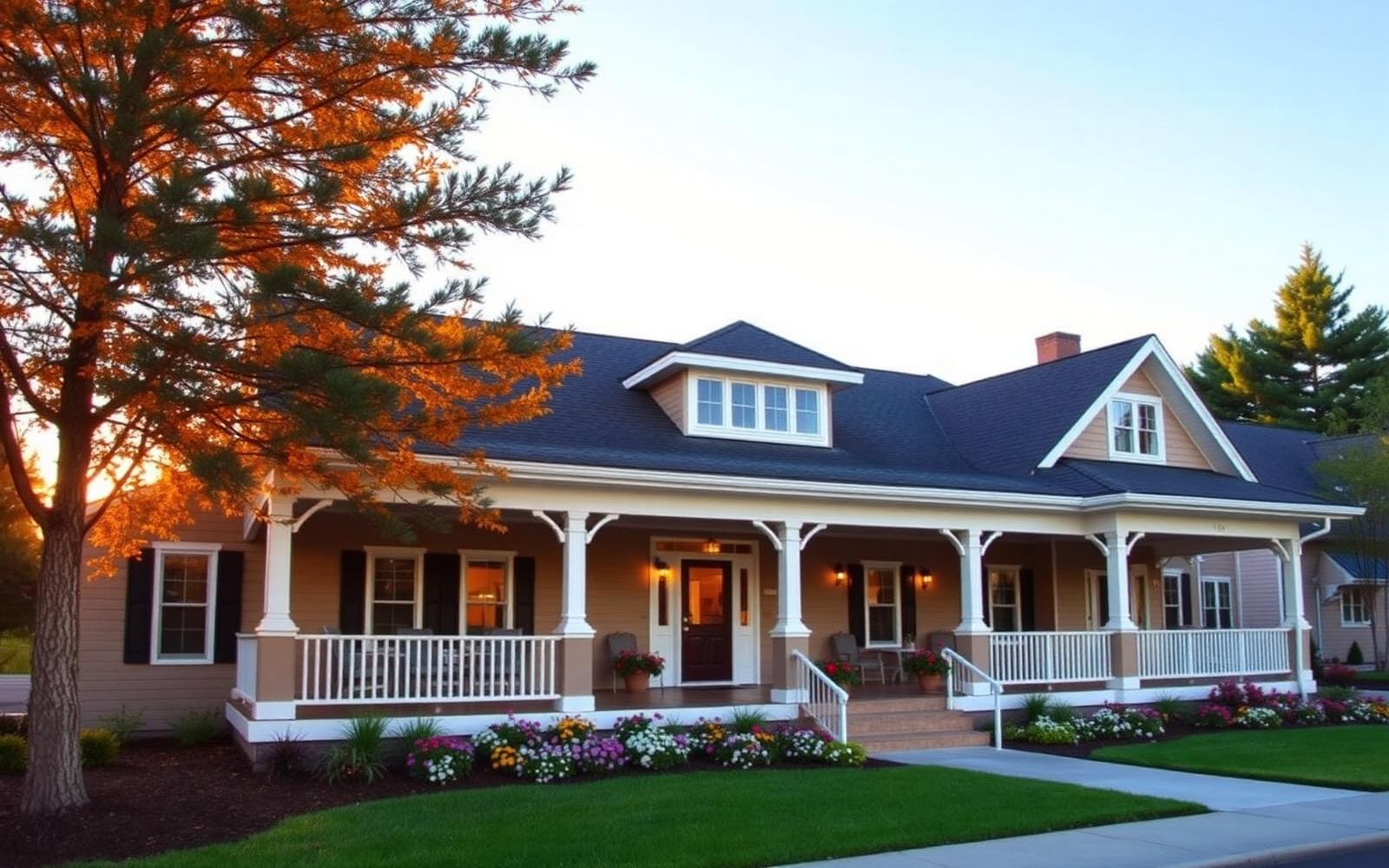
Smaller, home-like settings — usually 4 to 10 residents in a real house. Higher staff ratios and a quieter feel. Often a great fit for someone overwhelmed by larger communities.

Campuses that offer independent living, assisted living, and skilled nursing all in one place, so residents don't have to move as their needs change.

Short-term stays in an assisted living or memory care community — for recovery, a trial run, or to give a family caregiver a break.
That's most families. The right starting point is a phone call — not a database. We'll ask a few questions about your loved one's day-to-day, and within an hour we usually know what to look at.